The Art of Ebru
What is Ebru? The Ancient Art of Turkish Paper Marbling

Ebru, pronounced eb-roo, is the centuries-old Turkish art of paper marbling. Often called "painting on water", it is the meditative practice of floating natural pigments on a thickened water surface and transferring the resulting pattern onto paper. Every piece is one of a kind, impossible to reproduce, and shaped by water, breath, and the artist's hand.
Recognised by UNESCO as an Intangible Cultural Heritage of Humanity in 2014, ebru is more than a craft. It is a slow, contemplative tradition that has captivated artists, calligraphers, and bookbinders across the Ottoman world for over five hundred years.
Find a Marbling Workshop Near YouThe Origins of Ebru Art
The word ebru is thought to come from the Persian ebri, meaning "cloud-like", a fitting name for an art form built on swirling, weather-like patterns. While early forms of marbling appeared in Central Asia and Iran, it was in Ottoman Turkey that the technique reached its highest refinement, becoming a celebrated decorative art used in royal manuscripts, official documents, and book bindings.
From the 15th century onward, ebru masters were among the most respected artisans of the empire. Their patterns adorned the works of poets, sultans, and scholars, and the secrets of the craft were passed down quietly from master to apprentice through generations.
"To make ebru, you must first calm yourself. The water does not respond to hurry. Every drop you place is a conversation between your patience and the surface of the bath."
How Ebru is Made
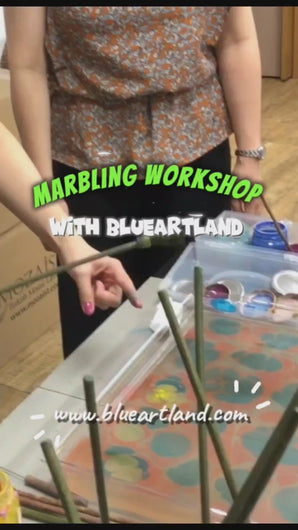
At first glance, ebru looks like magic. But the technique is rooted in centuries of carefully refined craft, using only natural materials and simple tools.
Traditional Ebru Patterns
Over the centuries, ebru masters developed a vocabulary of signature patterns. Each one carries its own name, its own technique, and its own poetic meaning.
Why Ebru is Loved Today
In an age of screens and speed, ebru has quietly become one of the most sought-after mindful craft experiences in the UK. The process is unhurried, deeply tactile, and genuinely meditative. Many guests describe their first session as the calmest hour they have had in months.
It is also one of the few crafts where beginners produce something genuinely beautiful on their very first attempt. There are no straight lines to get wrong, no precision to master. The water does most of the work. You simply guide it.
- ✓ A naturally meditative, slow craft that calms the mind
- ✓ Beginner-friendly with stunning first-time results
- ✓ Every artwork is one of a kind and impossible to reproduce
- ✓ A genuine connection to centuries of Ottoman heritage
- ✓ Perfect for date nights, hen parties and team-building
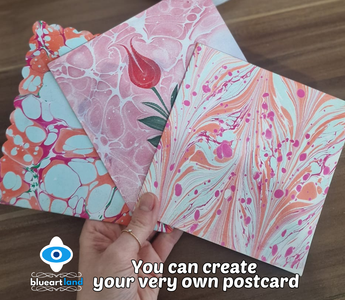
- ✓ Take home your finished marbled artwork the same day
Ebru in Numbers
Experience Ebru in Person
Reading about ebru is one thing. Watching pigment bloom on water in front of you and shaping it with your own hand is something else entirely. At Blueartland, our beginner-friendly marbling workshops bring this ancient Turkish tradition to studios across the UK.
In a relaxed 2-hour session, you will float pigments, shape patterns, and create your own one-of-a-kind marbled artwork to take home. All materials, tools, and expert guidance are included. No experience needed, just curiosity.
Marbling workshops available in
- London
- Manchester
- Birmingham
- Leicester
- Milton Keynes
- Reading
- Cambridge
Practical Details
| What is Ebru | Traditional Turkish art of paper marbling, painting on water |
| Origin | Central Asia and Ottoman Turkey, refined over 500 years |
| Recognition | UNESCO Intangible Cultural Heritage, 2014 |
| Workshop Duration | 2 Hours |
| Skill Level | All levels welcome, no experience needed |
| What to Bring | Nothing, everything is provided |
| You Take Home | Your own original marbled artwork, ready on the day |
Ready to Try Ebru?
Ebru is one of those rare crafts that genuinely lives up to the hype. Slow, beautiful, deeply satisfying, and accessible to absolute beginners. Our UK marbling workshops fill up quickly, especially at weekends.
Pick your city, choose a date, and we will see you in the studio.
Book a Marbling Workshop Visit Blueartland Homepage