DIY Mosaic Lamp Guide
How to Grout a Mosaic Lamp – Step-by-Step Beginner Guide

Grouting is the final, magical step in creating a Turkish mosaic lamp. It is the moment when hundreds of loose glass tiles transform into a unified, glowing piece of art. The grout fills the tiny gaps between every tile, locks them in place, and gives your lamp its signature jewel-like appearance.
If you have ever wondered how to grout a mosaic lamp at home, the good news is this: it is far easier than it looks. With the right materials and a calm, unhurried approach, even absolute beginners get beautiful results on their very first try.
Shop DIY Mosaic Lamp KitsWhat is Grout?
Grout is a soft, paste-like filler that sits between mosaic tiles. In Turkish mosaic lamp making, a fine plaster-based grout is traditionally used because it is smooth, easy to work with, and dries to a beautiful matte finish that contrasts perfectly against the glossy glass.
When you spread grout across your lamp, it does three important things at once: it fills the gaps between the tiles, it bonds the tiles permanently in place, and it defines each piece of glass with a clean outline that catches the light beautifully when the lamp is switched on.
"Grouting is the moment your mosaic lamp truly comes to life. One minute it looks unfinished. The next, every tile sparkles like a tiny stained-glass window."
What You Will Need
Before you start grouting, gather everything in one place. The process moves quickly once the grout is mixed, so being prepared makes a big difference.
How to Grout a Mosaic Lamp: Step by Step
Follow these six steps carefully and you will end up with a beautifully grouted, professional-looking mosaic lamp. Take your time. The whole process is calm, satisfying, and far less messy than people imagine.
Drying Times at a Glance
We recommend waiting a full 24 hours after grouting before plugging in your lamp or moving it around. The grout may feel dry within an hour, but it continues curing internally for a full day. A little patience now means a lamp that will glow beautifully for years.
What to Avoid
A few simple mistakes can affect the finish of your mosaic lamp. Keep these in mind and you will be on the safe side.
- Do not mix too much grout at once. It dries fast. Small batches give the best results.
- Do not use a wet sponge. Excess water washes the grout out of the gaps and weakens the bond.
- Do not wait too long to clean. If the grout fully hardens on the tiles, it becomes very difficult to wipe off.
- Do not skip the dry cloth polish. This is the step that makes your lamp truly glow.
- Do not power on the lamp until fully cured. Wait the full 24 hours.
Pro Tips for a Perfect Finish
- ✓ Work in small sections — half the lamp at a time, not the whole thing
- ✓ Use lukewarm water, never hot or icy cold, for a smoother mix
- ✓ Wear disposable gloves for comfort and to keep skin protected
- ✓ Keep a second clean sponge ready for the final wipe
- ✓ Place your lamp on a tray or old towel to catch drips
- ✓ Once finished, leave the lamp in a dry, dust-free space overnight
Frequently Asked Questions
How long does it take to grout a mosaic lamp?
The active grouting and cleaning process typically takes 30 to 45 minutes, depending on the size of your lamp. After that, the lamp needs to be left undisturbed for 24 hours to fully cure before use.
What is the right consistency for mosaic grout?
Aim for a smooth toothpaste-like consistency. If it slumps off your spatula, it is too wet. If it cracks when you mix, it is too dry. Add water or powder in small amounts until it feels just right.
Can I use any grout, like bathroom tile grout?
It is best to use a fine plaster-based grout designed for mosaic work. Standard bathroom grout is too coarse, too gritty, and often hard to spread on the small surfaces of a mosaic lamp. Our DIY kits come with the correct grout included.
Why does my grout look cloudy on the tiles?
A cloudy white film is normal after grouting and is called grout haze. It disappears completely once you buff the lamp with a soft, dry cloth. If a faint haze remains, repeat the dry buffing a second time.
Can I colour the grout?
Yes. While traditional Turkish mosaic lamps use a neutral white or off-white grout to make the glass tiles stand out, you can mix in a small amount of powdered pigment or acrylic colour if you want a darker or more dramatic look. Always test a small batch first.
What if a tile comes loose during grouting?
Do not panic. Gently lift the tile out, dab a tiny amount of mosaic glue underneath, press it back into place, then continue grouting around it. Let the lamp dry overnight before disturbing that section again.
When can I light up my finished mosaic lamp?
Wait a full 24 hours after grouting before plugging in or switching on your lamp. Although the surface feels dry sooner, the grout needs this time to cure all the way through.
Practical Details
| Difficulty | Beginner-friendly, no experience needed |
| Active Time | 30–45 minutes |
| Full Drying Time | 24 hours before use |
| Recommended Grout | Fine plaster-based mosaic grout (white) |
| Best Consistency | Smooth, toothpaste-like — not runny, not dry |
| Clean Up | Damp sponge, then dry soft cloth |
| Most Common Mistake | Using too much water on the cleaning sponge |
Want to Skip the Guesswork?
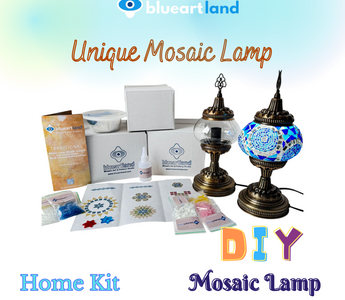
Grouting is the most satisfying step of mosaic lamp making — and the easiest one to get right when you have the proper tools. Our DIY Mosaic Lamp Kits include the correct grout, ready-cut Turkish glass tiles, lamp base, glue, and full step-by-step instructions. Everything you need to create a glowing piece of art at home.
Prefer to learn in person? Join one of our beginner-friendly mosaic lamp workshops across the UK. We guide you through every step from design to grouting, and you take your finished lamp home the same day.
Shop DIY Mosaic Lamp Kits Find a Workshop Near You